<>

Albert Camus

Don't walk behind me; I may not lead. Don't walk in front of me; I may not follow. Just walk beside me and be my friend.

Showing posts with label Manga. Show all posts

Tuesday, March 18, 2014

Giveaway: Angelboy Vol. 1 by Nicole Beguesse

Description:

Cyrus is a normal teenager whose life is abruptly ended when he’s brutally murdered!... 

He reawakens as Angelboy in a town he doesn't recognize. Unable to be seen or heard by anyone, Cyrus tries to make up for the effects of his wasted life... 

Only to find his world inhabited by the devils of peoples' minds! He battles hell's vilest demons for something more valuable than the entire earth... ...a single soul!
About the author:
Many years ago I was in a bookstore when I came across a volume of manga by the all-female Japanese team CLAMP. It was at that moment I understood the storytelling power of manga and how it was so unlike anything I had ever seen before. Since then, I've been studying day by day to draw and write my own manga series. I have a BS in Computer Science from the University of Florida and a Master's in Sequential Art at SCAD.

I am currently living in Savannah, GA


Author's Giveaway
a Rafflecopter giveaway

Friday, March 1, 2013

Review Emerald and Other Stories by Hiroaki Samura

It's happening to me too, however occasionally, to fall into the trap and buy a book based just on its brief description. It's about Emerald and Other Stories by Hiroaki Samura. Although I knew that there would be a different topic, I gave credit to the author and I didn’t never expected to be faced with such a result. There was no way to know, neither I nor others who have bought the book, about the topics of this collection of short stories that appeared only in Japanese magazines. Of course, I was after the pleasant experience with the Blade of the Immortal (see here) and I did not thought it would be a such big difference. What is the difference?
The title story collection, Emerald, carry out the action in the Wild West, and although is not up to the Blade of the Immortal, is a nice one and in well-known style of the author. And the bad news is? Is the only attractive story and is quite short.

So much for the pluses. Now, what should I tell you? Maybe it’s the difference between our Western culture and Oriental one? Perhaps, although I think it is not the only cause. Why? Well, let me tell you why: about Emerald I’ll not dwell on because we know what it is, but still is too little. The Kusein Family's Grandest Show and Brigitte's Dinner are two stories a bit weird. I used weird because I didn’t want to say another harsher word, but I would not recommend them for readers under 18, and over this age just for those that are willing to read such things. Put aside that are weird, they have some things like voyeurism, BDSM, a little touch of incest and I stop here because they are pretty disturbing things. The Uniforms Stay On are the most and I do not see why. A story about two high school girls that babble about their lives, about their generation issues and all sorts of other things that certainly we don’t care about nor are some wit things. About Shizuru Cinema I could say, to give you an idea, that it's something like Total Rekall, but the only thing they have in common is the store memories, otherwise, nothing spectacular. Low-Grade Strategy: The Mirror Play it’s about a game of Mahjong. I do not think you’ll understand something about it if you have not played the game and I do not refer to that game we all have in the computers. Youth-Chaka-Chang Chang refers to a song that a boy dedicated to a girl who is faultfinding the tune and the story has a weird and unexpected ending.

I never said that before, but I would not recommend it. If you are fans of this more... strange genre of manga, is OK. The beauty is in the eyes of the beholder.

Romanian:
Mi se întâmplă și mie, rar totuși, să cad în capcană și să cumpăr o carte după scurta descriere ce o însoțește. Este vorba despre Emerald and Other Stories de Hiroaki Samura. Cu toate că știam că nu o să fie un subiect asemănător, i-­am dat credit autorului și nu m-am așteptat să fiu pus în fața unui asemenea rezultat. Nu aveam cum să știu nici eu, nici alții care au cumpărat cartea despre ce este vorba fiind o colecție de scurte povestiri ce au apărut doar în reviste japoneze. Desigur, veneam după experiența plăcută cu Blade of the Immortal (vezi aici) și nu credeam că o să fie așa o mare diferență. În ce constă diferența?

Povestirea care dă titlul colecției, Emerald, îşi desfăşoară acțiunea în Vestul Sălbatic şi, deşi nu se ridică la nivelul Blade of Immortal, este plăcută și în stilul binecunoscut al autorului. Partea proastă? Este singura atractivă și este destul de scurtă.

Cam atât cu plusurile. Acum ce să vă spun? O fi de vină diferența dintre cultura noastră vestică și cea orientală? Poate, cu toate că eu cred că nu e doar asta cauza. De ce? Păi, să vă spun de ce: despre Emerald nu mai stăruim pentru că știm ce este, dar totuși e prea puțin; The Kusein Family’s Grandest Show și Brigitte’s Dinner sunt două povestiri cam aiurite. Am folosit aiurite ca să nu spun ceva mai dur, dar eu nu le-aș recomanda unor cititori sub 18 ani iar cei de peste să fie dispuși să citească astfel de lucruri. În afară că sunt cam ciudate, au și niște chestii de voyeurism, sado-masochism, ating un pic și incestul și nu mai continui căci sunt destul de multe lucruri tulburătoare. The Uniforms Stay On sunt cele mai multe și nu văd de ce. O poveste despre două fete de liceu ce trăncănesc vrute și nevrute despre viața lor, despre problemele generației lor și tot felul de alte lucruri care cu siguranță nici nu ne interesează și nici nu sunt niște chestii care dau pe dinafară de inteligență. Despre Shizuru Cinema am putea spune, ca să vă faceți o idee, că e ceva de genul Total Rekall, dar doar chestia cu magazinul de amintiri; în rest, nimic spectaculos. Low-Grade Strategy: The Mirror Play se referă la un joc de Mahjong. Nu cred că o să înțelegeți ceva dacă nu l-ați jucat și nu mă refer la jocul pe care-l avem toți în computer. Youth Chang-Chaka-Chang se referă la o melodie ce i-o dedică un băiat unei fete care îi tot găsește nod în papură, iar finalul este trăsnit și neașteptat.

Nu am crezut să spun asta, dar eu nu v-aș recomanda-o. Dacă sunteți fanii acestui gen de manga mai... ciudat, este treaba voastră. Gusturile nu se discută!

Monday, January 28, 2013

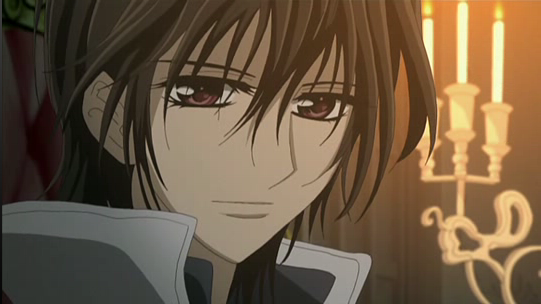
Who is hotter?

Maybe this post will become one of those "Parerea Voastra" post. In this case, the prize will be one of the Vampire Knight volumes (up to 6 E). Your participation will decide. You can debate, present, leave more comments, reply to the others comment etc, BUT you must stay on topic.
(The idea it's come to me after I saw a Facebook post and your comments yesterday.)


Zero
Kaname
Kaname
You have time till Sunday 3 February, 14:00 hours (our time) and yep, you must be our GFC friend.
The Giveaway is INTERNATIONAL as long as The Book Depository ships to you for free.

Thursday, January 3, 2013

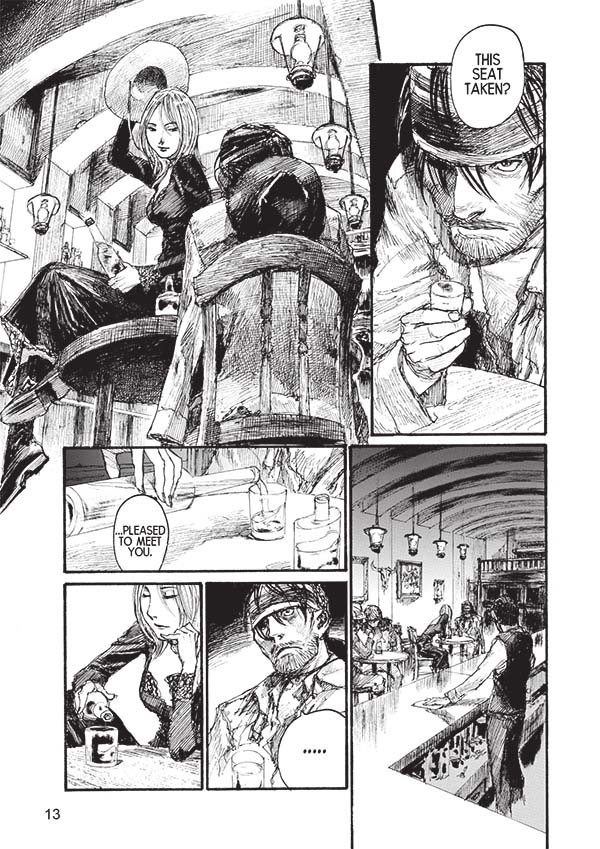
Review Blade of the Immortal by Hiroaki Samura

For a long time I didn’t present you a comics series, so today I’ll tell you about a true Japanese manga. It's about Blade of the Immortal. This is the American title of the story, the Japanese one is Mugen no Juunin 無限 の 住人 which means Inhabitant of Infinity. Sounds more poetic, more Japanese, but I think that shouldn’t have a very strong resonance among western readers. Hiroaki Samura is the writer and illustrator of this manga series.

The plot? The main character of the series is Manji, a former samurai who has on his conscience the killing of a hundred warriors. The 100th was his own brother-in-law, a police officer who believed that he could bring Manji to answer for his crimes. While Manji is tormented by remorse, he meets a mysterious nun that gives him a fair chance to redeem his deeds and to be saved: immortality until he kills a thousand evil men. But the old woman will arrange everything so he’ll become the bodyguard for a girl who is in search of revenge for hers murdered family.

Manji and Rin will go looking for the members of Itto-ryu group and for their chief Anotsu Kagehisa, to clean and rehabilitate hers family honor, but also for Manji to score up more villains.

Our heroes will learn in the hard way that the distance from saying it to make it it’s quite big. The gangs start growing, the authorities become also interested in both of them and slowly, Manji and Rin will find themselves trapped in a vortex from which will hardly be able to survive. Alliances and enmities are intertwined, who appear to be friends today, tomorrow will want to put their lives at stake and vice versa, and no one can be considered reliable. Trust can be very expensive and the two of them will feel the full price. Manji will find that the gift received is not a godsend and that many will want to taste from his immortality. Swords will spark everywhere, not just the usual samurai swords because the author came up with a range of imaginary weapons. The fights are currently, pretty brutal and typically Japanese: not to much choreography, but with devastating effects. The tension builds from volume to volume and how the last one is not published yet, the denouement is still to be expected.
The series has 29 volumes published so far and is divided into five parts. The story is interesting and well drawn, and your attention will be captured from the beginning. Hiroaki Samura's drawings are very expressive and realistic executed. The backgrounds and the landscapes go very well together with the story and they back up the characters’ emotional experiences. All these are forming a whole that is express with the characteristic clarity and simplicity of the Japanese style.

It is a welcome series for those that are enthusiast about manga and samurai stories, but I must point out that some scenes are quite violent so for the most sensitive of you or under age 15-17 would not be recommended.

Another detail about I would like to remind you, because I don’t want that you get a wrong idea, is the main character's name and the symbol that he is wearing on his kimono: Manji - which in Japanese means swastika. This has NOTHING to do with anti-Semitism. The swastika is the Sanskrit name of this symbol and means to be good, to be one with the higher self, and is found in all Asian religions and even more, this symbol was found in all ancient cultures across the globe. The symbol was perverted by the Nazis, but as we find here, in the Buddhist culture the arms of the cross are in the anti-clockwise directions, so opposite with what you are used to. However, this manga story takes place in 1700, so long before the Nazi doctrine of the twentieth century. I repeat, DO NOT make any comparison because there isn’t!

Happy reading!
GZM

Nu v-am mai prezentat de mult o povestire grafică, așa că astăzi o să vă spun despre o manga adevărată japoneză. Este vorba despre Blade Of The Immortal (Sabia Nemuritorului). Acesta este titlul american al povestirii, cel japonez fiind Mugen no Juunin 無限の住人 adică Locuitor al Infinitului. Sună mai poetic, mai japonez, dar cred că nu ar fi avut o rezonanță prea puternică printre cititorii vestici. Creatorul acestei serii manga este scriitorul și desenatorul Hiroaki Samura.

Subiectul? Personajul principal al seriei este Manji, un fost samurai ce are pe conștiință uciderea a o sută de războinici. Cel al 100-lea a fost chiar cumnatul său, ofițer de poliție, ce credea că îl va putea aduce în fața legii. Cuprins de remușcări, Manji întâlnește o misterioasă călugăriță ce îi dă șansa unui târg pentru a-și răscumpăra greșelile și a fi izbăvit: nemurirea până când va ucide o mie de ticăloși. Însă bătrâna va face astfel încât el va deveni bodyguard-ul unei tinere aflată în căutarea răzbunării familiei asasinate.

Manji și Rin vor pleca în căutarea membrilor grupului Itto-ryu și a șefului lor Anotsu Kagehisa pentru a spăla și reabilita onoarea familiei fetei, dar și pentru ca Manji să-și mai treacă pe răboj niște ticăloși.

Eroii noștri vor afla pe pielea lor că de la a zice la a face este o distanță destul de mare. Grupurile de ticăloși încep să se înmulțească, autoritățile încep și ele să fie interesate de cei doi și încet, încet, Manji și Rin se vor trezi prinși într-un vârtej din care cu greu vor putea să scape cu viață. Alianțele și dușmăniile se împletesc, cei ce azi se dovedesc a fi prieteni, mâine vor dori să le pună pielea-n băț și invers, iar nimeni nu poate fi considerat de încredere. Încrederea poate costa foarte scump și cei doi o vor simți din plin. Manji va descoperi că darul primit nu este chiar o mană cerească și că mulți vor dori să guste și ei din nemurire. Săbiile vor scânteia la tot pasul, nu doar cele obișnuite de samurai, autorul venind cu o întreagă gamă de arme imaginare. Luptele sunt la ordinea zilei și destul de crunte, tipic japoneze: fără multe artificii coregrafice, însă cu efecte devastatoare. Tensiunea se acumulează de la volum la volum și cum ultimul nu a apărut, deznodământul se lasă încă așteptat.

Seria conține 29 de volume apărute până acum și este structurată în cinci părți. Povestea este interesantă și bine desenată, iar atenția vă va fi captată de la început. Desenele lui Hiroaki Samura sunt foarte expresive și realistic executate. Fundalurile și peisajele ce însoțesc povestirea susțin foarte bine stările prin care trec personajele, totul formând un întreg bine exprimat cu acea limpezime și simplitate specifică stilului japonez.

Este o serie binevenită pentru cei pasionați de manga sau de povestirile cu samurai, însă țin să vă atrag atenția că unele scene sunt destul de violente așa că pentru cei mai sensibili dintre voi sau sub vârsta de 15-17 ani nu ar fi recomandată.

Un alt amănunt despre care aș vrea să vă amintesc, pentru a nu vă face o idee greșită, este chiar numele personajului principal și al simbolului pe care îl poartă pe kimono: Manji – care în japoneză înseamnă svastica. NU are nicio legătură cu antisemitismul. Svastica este denumirea sanscrită a acestui simbol și înseamnă a fi bun, a fi una cu sinele superior. Se regăsește în toate religiile asiatice, ba mai mult acest simbol a fost găsit în toate culturile antice pe tot cuprinsul globului. Simbolul a fost pervertit de către naziști, dar forma budistă pe care o găsim aici are brațele crucii în sensul opus acelor ceasornicului deci invers decât cea cu care sunteți obișnuiți. Oricum povestirea are loc în anii 1700, deci cu mult înaintea doctrinei naziste din secolul XX. Vă repet, NU faceți nicio paralelă pentru că NU există!

Lectură plăcută!
GZM

Saturday, November 3, 2012

Lone Wolf & Cub Carte si Film

Știu că în România nu există o tradiție a comics-urilor cu toate că au existat unele încercări de-a lungul timpului, dar din cauza lipsei promovării (nici nu se punea problema asta înainte de 1989) și a lipsei de informare nu au avut succes. Oricum subiectele erau cenzurate așa că nu mai are rost să vorbim. Comics-urile și creațiile manga au pătruns la noi mai mult datorită filmelor ce au preluat o seamă de eroi din benzile desenate. Așa că dacă vă pică în mână vreun număr, nu le tratați ca pe reviste pentru copii, deoarece unele dintre ele sunt chiar pentru cei cu vârsta de peste 18 ani. Acestea fiind spuse, m-am decis să vă prezint astăzi un produs japonez, adică manga, mai deosebit de ce v-am arătat altă dată.

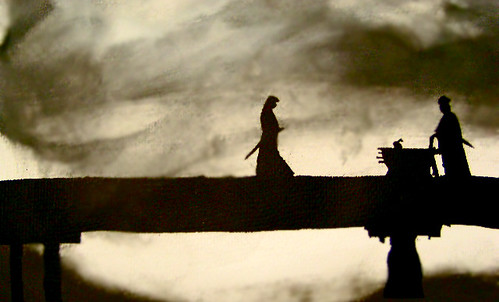
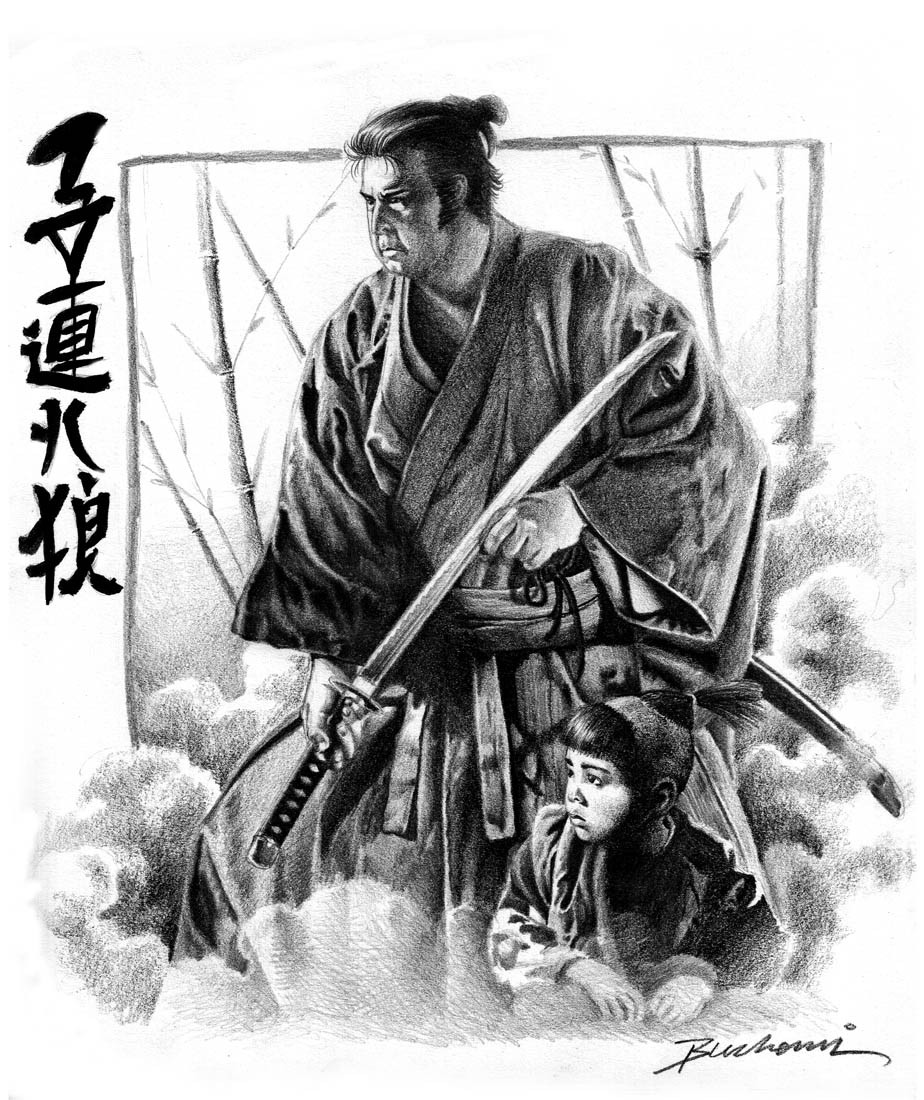
Lone Wolf and Cub (Lupul Singuratic și puiul său) este o manga creată de către scriitorul japonez Kazuo Koike și desenată de către Goseki Kojima. Seria a început să fie publicată pentru prima oară în 1970 și conține 28 de volume, iar după acestea au fost făcute patru piese, un serial de televiziune și adaptări pentru șase filme. Cel mai cunoscut dintre filme este cel produs în 1980 de către regizorul american Robert Houston și se numește Shogun Assassin (Asasinul Shogunului) cu Masaru Okumura în rolul principal.
Povestea seriei manga prezintă peripețiile samuraiului Ogami Itto, un teribil războinic, adept al stilului de scrimă Suyo-ryu, ce deținea slujba de călău la curtea shogunului. Călău este un mod de a spune, pentru că este și incorect și nici bine ales, dar în cultura europeană nu are echivalent. Am putea spune mai bine că avea rolul de Asistent, deoarece el se ocupa cu impunerea voinței shogunului și cu decapitarea celor ce își făceau seppuku (sau harakiri, un cuvânt incorect, dar care s-a împământenit). Pentru a le scurta sau curma suferințele în timpul groaznicului eveniment el le tăia capul cu o singură și precisă lovitură de sabie. De aceea nu prea merge călău și oricum nu se ocupa de borfași sau criminali de rând. Găsindu-și soția asasinată, totul fiind făcut în așa fel încât să pară un jaf, iar el fiind acuzat și căzut în dizgrație din cauza unor false acuzații aduse de către cei din clanul Yagyu ce doreau să pună mâna pe slujbele cheie de la curtea shogunului, se hotărăște să ia calea pribegiei împreună cu fiul său de numai trei ani pentru a scăpa de prigoana ticăloșilor. Așa că, având și un copil mic alături, numai gândul reabilitării onoarei sale şi a răzbunării soției îl va ține în viață, trecând cu bine prin toate aventurile ce îi vor ieși în cale de-a lungul Japoniei medievale, un loc nu prea paşnic. Își oferă serviciile de spadasin contracost oricui avea nevoie pentru a scăpa de vreun grup de netrebnici. Va încrucișa spada cu tot felul de indivizi, plecând de la simpli tâlhari, clanuri ninja și ajungând la ronini dornici de a-și etala talentele artelor marțiale. Bineînțeles că niciunul nu va fi în stare să facă față inteligenței și tehnicii sale impecabile în a mânui sabia.
 
În bine cunoscutul stil asiatic, finalul este și nu este unul prea fericit. Sabia fiindu-i distrusă de către un fals meșter de săbii, samuraiul este atacat de către luptătorii ninja ai clanului Yagyu. După o luptă plină de violență, Ogami Itto moare din cauza rănilor, însă fiul său Daigoro îl răzbună ucigându-l cu o lovitură de lance pe șeful clanului Yagyu, Retsudo. Acest Retsudo cu ultimele puteri îl îmbrățișează pe Daigoro numindu-l „Nepotul său de suflet”, încheind astfel ciclul răzbunării şi oferind copilului un viitor mai sigur.
Sună cam prea japonez pentru felul nostru de a fi, dar tocmai în asta stă farmecul.
Vizionare și lectură plăcută!