
<>

Showing posts with label History. Show all posts
Showing posts with label History. Show all posts
Thursday, December 27, 2018
Absolutely Everything!: A History of Earth, Dinosaurs, Rulers, Robots and Other Things Too Numerous to Mention by Christopher Lloyd

Tuesday, May 15, 2018
Sexuality and Its Impact on History: The British Stripped Bare
 “A fascinating new book” -Mail On Sunday and Daily Mail, U.K.
"A balance of both entertaining and educational reading in equal measure” -Dr. Roxanne O'Neill
“The work is well written and researched. Each essay could be its own book. Well done, ladies.” ocmd, Vine Voice Reviewer
Monday, November 13, 2017
Forgotten Warriors: The Amphibious March Across the Pacific During World War II by D. Ralph Young
 Refresh your memory with the what, where, when and why for each of these battles, the listing of the Medal of Honor Awardees for each battle, as well as a listing of casualties. Also included are the contributions made by Coast Guard, Submarine Service, and Seabees as well as the women of the USA
Wednesday, October 18, 2017
fall under its spell . . . literally - Black Moon Rising (The Library #2) by D.J. MacHale

"A mysterious, hard-to-put-down book with a twisting plot, funny characters, and haunting souls. I can't wait to hear what adventures they have next." --A.J. H., age 11
"Couldn't put it down. I stayed up reading until 11:00 p.m. with only one thought in my mind: one more chapter!" --Ben H., age 11
Tuesday, November 24, 2015
He saw an opportunity - The Santa Claus Man by Alex Palmer

The Rise and Fall of a Jazz Age Con Man and the Invention of Christmas in New York
It tells the history of Christmas in America through the true-crime tale of a Jazz Age hustler who founded an organization to answer children's Santa letters -- and fuel his own dark dreams. Palmer curated an exhibit about this Santa Claus Association for Brooklyn's City Reliquary Museum, earning attention from the Village Voice, Time Out New York, and inspiring a memorable segment on WNYC
It tells the history of Christmas in America through the true-crime tale of a Jazz Age hustler who founded an organization to answer children's Santa letters -- and fuel his own dark dreams. Palmer curated an exhibit about this Santa Claus Association for Brooklyn's City Reliquary Museum, earning attention from the Village Voice, Time Out New York, and inspiring a memorable segment on WNYC
Friday, April 17, 2015
Solve the mystery - The Saffron Crocus by Alison McMahan

Venice, 1643. Isabella, fifteen, longs to sing in Monteverdi’s Choir, but only boys (and castrati) can do that. Her singing teacher, Margherita, introduces her to a new wonder: opera! Then Isabella finds Margherita murdered. Now people keep trying to kill Margherita’s handsome rogue of a son, Rafaele.
Thursday, November 6, 2014
The Oath of Nimrod: Giants, MK-Ultra and the Smithsonian Coverup (Templars in America #4) by David S. Brody

Published: September 24th, 2014
Description:
A mysterious race of North American giants.
An ancient Hebrew inscription in a Cherokee burial mound.
A blood oath made by blindfolded Freemasons.
Are these three historical oddities the reason the CIA is trying to brainwash historian Cameron Thorne and his fiancée Amanda Spencer-Gunn? The answer lies buried in the legends of the Knights Templar, within the rituals of the secretive Freemasons and, most significantly of all, inside the bowels of the Smithsonian Institution. The problem for Cam and Amanda? If they go rummaging around the Smithsonian, they may find themselves buried alongside the ancient giants.
About the author:
 David S. Brody is a Boston Globe bestselling fiction writer named Boston’s “Best Local Author” by the Boston Phoenix newspaper.
A graduate of Tufts University and Georgetown Law School, he is a former Director of the New England Antiquities Research Association (NEARA) and is an avid researcher in the subject of pre-Columbian exploration of America.
He has appeared as a guest expert on documentaries airing on History Channel, Travel Channel, PBS and Discovery Channel.


Tuesday, August 12, 2014
Guest Post: Ghosts of Salem: Haunts of the Witch City by Sam Baltrusis

Nestled on the rocky coast of Massachusetts, Salem is a city steeped with history and legend. Famously known for its witch trials, the historic North Shore seaport also has a dark history of smugglers and deadly fires. It is considered to be one of New England's most haunted destinations. Inside Howard Street Cemetery, the ghost of accused witch Giles Corey wanders among the gravestones. Outside the Ropes Mansion the ghost of Abigail Ropes can be seen peeking out of the windows. The Gardner-Pingree House on Essex Street is host to the spirit of sea captain Joseph White, a man whose murder in 1830 inspired literary giants like Edgar Allen Poe and Nathaniel Hawthorne. Join author and paranormal journalist Sam Baltrusis on a chilling journey through the streets of Salem as he chronicles the historic haunts of the Witch City.
GUEST POST
The most un-haunted house in Salem?
The House of the Seven Gables, formerly known as the Turner-Ingersoll Mansion, is arguably the most asked about location in Salem when it comes to the paranormal. Is it haunted? Tour guides are quick to dispel the rumors.
“Nope, haven't heard of any ghosts,” remarks one veteran tour guide walking a large group up the now-famous secret staircase to what is believed to be the structure's haunted attic. Another guide merely said that the house “can get creepy at night.”
Meanwhile, the eyes of the Victorian-era paintings dotting the beloved inspiration for Hawthorne's Gothic masterpiece, The House of the Seven Gables, eerily seem like they're following the group as the tour quietly shuffles from one room to the next.
No way. It's not haunted. Or is it?
Several books on ghost lore list the Turner House as one of Salem's most active. However, some of the information is based purely on conjecture. “Nathaniel Hawthorne, descendent of one of the witchcraft judges, was born in Salem in 1804 and always felt that the home of cousin Susan Ingersoll was haunted,” wrote Dennis Hauck in Haunted Places. “He put his impressions on paper in the famous horror novel whose name the house now bears. The House of the Seven Gables is considered to be one of the eeriest in a town full of haunted houses.”
Other stories suggest that Ingersoll, who inherited the house from her ship-captain father after John Turner III lost the family fortune, has been spotted roaming the house's hallways. According to reports, she eerily peeks out of the windows when visitors are frolicking in the museum's beautifully manicured gardens. Yes, she's supposedly keeping watch over the droves of people touring her former home.
Ghost busted? Learn more about the alleged hauntings of the historic House of the Seven Gables in my new book, Ghosts of Salem: Haunts of the Witch City, and decide for yourself.
Goodreads ** Amazon ** Barnes&Noble ** Kobo ** iTunes
About the author:
Sam Baltrusis, author of "Ghosts of Boston" and "Ghosts of Cambridge," freelances for various publications and is the former managing editor of Scout Magazine in Somerville and Cambridge. He has been featured as Boston's paranormal expert on the Biography Channel's Haunted Encounters and Paranormal State's Ryan Buell's Paranormal Insider Radio. Baltrusis moonlights as a tour guide and launched the successful ghost tour, Cambridge Haunts, and is producing a new tour in Salem.


Saturday, July 13, 2013
The Hopfield Tales by Mike Evers

Description:
There's always more to a town than meets the eye. You just need to scratch the surface. The quiet town of Hopfield is no exception. There are everyday people doing everyday things - just like where you live. But history has a way of coming back to find us. And the voices of the past can change our lives forever.
Three fabulous fables for your delectation and delight:
The Spirit Archer
Campaign of the Gods
Mark of the Legion
BACKGROUND INFO
The Hopfield Tales is a trilogy of three novellas. Each story is set in a town in present day Yorkshire and involves people who have encounters with characters from English history and legend. The tales include the final, as yet unpublished story, Mark of the Legion.
The blurb for the unreleased novella, Mark of the Legion:
Bentham Cawley enjoys and quiet and humdrum life as a monk at the Brotherhood of the Resurrection in Hopfield, Yorkshire. But this is all about to change - when he unwillingly embarks on the monastery's new friendship programme and meets remarkable octogenarian Ernest Teale.
Just how does Ernest know so much about the past, and how is he connected to the legendary but doomed Roman Ninth Legion?
Some secrets wait centuries to be unlocked...
Review samples for The Spirit Archer and Campaign of the Gods:
"This is a novella that is entertaining, informative and imaginative. It's a wonderful story that put a smile on my face." (The Spirit Archer; Ann Werner, Amazon)
"This is a good fun read which I really enjoyed. I particularly liked the way the scenes cut back to the gods and their fated board game and the effect that had on our world of 'Midgard'. A great, light-hearted bit of fun." (Campaign of the Gods; Ignite, Amazon)
The voices of the past can change our lives forever…
EXCERPT:
From Campaign of the
Gods:
The Campaign Begins
An entry from PC Walker’s
Norse Myths and Legends Companion:
Ivar Ragnarsson
(aka Ivar the
Boneless ) : Viking leader and berserker. Ivar commanded the Viking ‘Great Heathen
Army’, which invaded England in AD 865, captured York the following year and
established Danish rule over half of early medieval England.
The nickname ‘Boneless’ is subject to much
speculation. It is thought possibly due to Ivar possessing great physical
flexibility, lameness in one leg, impotence, or his even having a bone
disease. Whichever way you look at it,
Ivar was undeniably a wise commander and fearsome warrior.
The people of Lower Bagton were enjoying a particularly
bright, warm and sunny Midsummer’s Day when, unbeknownst to them, a gateway from
the otherworld had suddenly opened nearby.
In the woods near Bagton Mill the chirping birds and foraging mammals
stopped all activity, mesmerised by the shimmering maw that had materialised in
the shrubbery. Sensing the imminent
danger, the woodland animals chattered frantically and decided to take
flight. They headed anywhere other than
here.
Goodreads ** Amazon ** Barnes&Noble

About the author:

Mike often taps out stuff on his keyboard in the fantasy, urban fantasy and paranormal genres: a habit which his wife finds fairly amusing - and sometimes a little bit strange.
So far he has published two novellas - The Spirit Archer and Campaign of the Gods - with GMTA Publishing. Along with Mark of the Legion, the novellas are due to be published as The Hopfield Tales in summer 2013.
Mike's debut novel, The Chaosifier, is also available on Amazon, where it is ambushing unsuspecting fans of contemporary fantasy with its general mischief and mayhem.
Mike's educational background is in History, International Conflict Analysis and Education. He is qualified as a teacher in ESOL and Adult Literacy, and lives and works in West Yorkshire. He's married to a long-suffering wife, Joanne, and they have a young son called Joseph.
So far he has published two novellas - The Spirit Archer and Campaign of the Gods - with GMTA Publishing. Along with Mark of the Legion, the novellas are due to be published as The Hopfield Tales in summer 2013.
Mike's debut novel, The Chaosifier, is also available on Amazon, where it is ambushing unsuspecting fans of contemporary fantasy with its general mischief and mayhem.
Mike's educational background is in History, International Conflict Analysis and Education. He is qualified as a teacher in ESOL and Adult Literacy, and lives and works in West Yorkshire. He's married to a long-suffering wife, Joanne, and they have a young son called Joseph.
Facebook ** Twitter ** Blog ** Amazon
Author ** Goodreads
** Barnes & Noble
Event organized by As You Wish Tours
Thursday, December 27, 2012
Review Anabasis by Xenophon
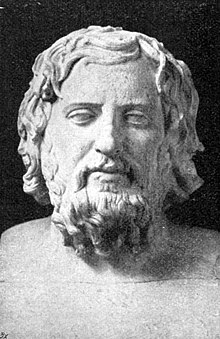 Given the name of our blog, I would
like to introduce a book truly legendary: Anabasis by Xenophon. Stay calm, it is not a
book of philosophy or a Greek tragedy. It is a history book, but you can read it
like an adventures one. An adventure that took place about 2400 years ago, but what
adventure it was! A march full of struggles and all kinds of hardships through a
hostile territory. A story worthy of ancient Greek heroes, bold action that amounts to those made by their predecessors
decades before, at the Marathon,
Thermopylae and Plateea.
Given the name of our blog, I would
like to introduce a book truly legendary: Anabasis by Xenophon. Stay calm, it is not a
book of philosophy or a Greek tragedy. It is a history book, but you can read it
like an adventures one. An adventure that took place about 2400 years ago, but what
adventure it was! A march full of struggles and all kinds of hardships through a
hostile territory. A story worthy of ancient Greek heroes, bold action that amounts to those made by their predecessors
decades before, at the Marathon,
Thermopylae and Plateea.
A few years before, I read Valerio Massimo Manfredi’s book, The Lost
Army, a fiction novel, a retelling of the exploits of the 10,000 Greek
mercenaries. Recently, I found at a second hand bookstore a copy of Xenophon
and I had the unpleasant surprise to find that the 1964’s edition is the only one
in our country. Sadly, but true.
Historical? Around the year 404 BC
Sparta wins the Peloponnesian war and establishes the 30 tyrannical regime in
Athens. Greece was exhausted after a 30 year war, Athens had seen his empire
collapsed and a lot of people chose to go wandering.
In 403 BC the regime is overthrown, but
the new leaders were not liked by Xenophon, a former soldier, student and
admirer of Socrates, and for that he chooses the path of exile. Following the
advice of a friend, he boards to take part in the expedition led by Cyrus the
Persian prince. The stated goal of the expedition was to pacify the rebellious
populations. Only after five months on the banks of the Euphrates, Xenophon and
the other Greeks find the real purpose of their action. Cyrus wanted to
dethrone his brother Artaxerxes II. How the real purpose doesn’t matter to much
to them, because the Greeks were employed as mercenaries, they move forward encouraged
by the Prince’s promises.
 The battle between the Persian army and
Cyrus’s mixed army (his army was not composed exclusively of Greeks) takes
place near Babylon at Cunaxa. Prince soar into battle with confidence, but fate
did not favor him. He dies in battle, his troops are scattered, and his camp is
ravaged and plundered. The Greek Expeditionary Corps has no problems, brooms
all in its path. But for what good is that if Cyrus is dead and the original
reason is lost? They remain victorious on the battlefield, but being a
mercenary army with the original reason lost and with their employer disappeared,
they no longer have other choice but to return. Easier said than done. With the
camp destroyed, supplies lost, they realize they cannot return through the same
places they came from, because their transition exhausted the cities that have
been in their path and they will no longer find food there.
The battle between the Persian army and
Cyrus’s mixed army (his army was not composed exclusively of Greeks) takes
place near Babylon at Cunaxa. Prince soar into battle with confidence, but fate
did not favor him. He dies in battle, his troops are scattered, and his camp is
ravaged and plundered. The Greek Expeditionary Corps has no problems, brooms
all in its path. But for what good is that if Cyrus is dead and the original
reason is lost? They remain victorious on the battlefield, but being a
mercenary army with the original reason lost and with their employer disappeared,
they no longer have other choice but to return. Easier said than done. With the
camp destroyed, supplies lost, they realize they cannot return through the same
places they came from, because their transition exhausted the cities that have
been in their path and they will no longer find food there.
Finding themselves in the middle of
enemy territory in the middle of the Persian Empire, they decide to follow the
river Tigris and move through Corduene and Armenia (now Turkey) to the Black
Sea where there were Greek colonies. From this moment begins the great
adventure of the 10,000. After a betrayal, the General Army Clearchus is
captured along with several senior officers by the Persian satrap Tissaphernes
and murdered. Xenophon and the other two are chosen by the soldiers to lead the
army. Despite the lack of supplies, the Persian army’s harassment, the
barbarian populations in territories where they went through, crossing the
mountains in the winter, they prevail to reach with minimum loss to Trabzon
(Trebizond) on the Black Sea coast.
An extraordinary achievement, a success
that many would have doubted. From here the route follows the western Greek
colonies towards their home. But the adventure will not end here. They will put
themselves into the service of Seuthes II of Thrace. After Sparta will change
its foreign policy, which initially supported Cyrus, now it wants to free the
Greeks from Asia Minor, where the satrap Tissaphernes started the retaliation
against philospartans leaders. And again the mercenaries are called to battle,
and Xenophon and his men put themselves into the service of Tibron the Spartan
commander in the siege of Pergamum. Here the writer concludes the adventures of
the 10,000. Of course, Xenophon did not say farewell to arms, and he
participates in other battles, but not as a leader of his mercenaries. As a
matter of fact, almost 70 years after these events, Alexander the Great will
conquer the Persian Empire and he’ll wear the reputation of the hoplites to
India.
 Don’t be worry, don’t treat the lines
above as a spoiler. I just wanted to introduce to you the general historical picture.
Many of the data are not included in the book and anyway you could find them with
one click. Adventures experienced by our heroes are many more and more
unexpected than you think.
Don’t be worry, don’t treat the lines
above as a spoiler. I just wanted to introduce to you the general historical picture.
Many of the data are not included in the book and anyway you could find them with
one click. Adventures experienced by our heroes are many more and more
unexpected than you think.
The story is divided into seven books,
and the style is simple and concise. The author hasn’t followed a historical
narrative or one filled with descriptions of military tactics, but one purely
literary. The work is not loaded with subjective or personal notes, it’s a
witness description of events. A curiosity is the title chose by Xenophon for
the story – Anabasis - which in Greek
means inward from the sea to inland. That because he describes specially the
return of the 10,000 and a better title would have been Katabasis, which means “to shore, outwards”. I don’t know and I don’t
feel I have the explanation of it.
Worth it to read and if you fail to put
your hand on it, you may be able to read the Valerio Massimo Manfredi’s novel:
The Lost Army. It's a well written novel, and has that special author’s sensitivity.
It’s a book that will make known the incredible adventure of the Xenophon and
his 10,000 heroes in Asia Minor.
Happy reading!
Romanian
Romanian
 Ținând cont de numele blogului nostru, aș vrea să vă prezint o carte cu
adevărat de legendă: Anabasis, de Xenofon. Stați liniștiți, nu este o
carte de filosofie sau vreo tragedie greacă. Este o carte de istorie, dar pe care
o puteți citi și în cheia unei cărți de aventuri. O aventură ce a avut loc
aproximativ acum 2400 de ani, însă ce aventură! Un marș plin de lupte și tot
felul de privațiuni printr-un teritoriu ostil. O poveste demnă de vechii eroi
greci, o acțiune îndrăzneață ce se ridică la nivelul celor realizate de
înaintașii lor cu zeci de ani înainte la Marathon,
Termopile sau Plateea.
Ținând cont de numele blogului nostru, aș vrea să vă prezint o carte cu
adevărat de legendă: Anabasis, de Xenofon. Stați liniștiți, nu este o
carte de filosofie sau vreo tragedie greacă. Este o carte de istorie, dar pe care
o puteți citi și în cheia unei cărți de aventuri. O aventură ce a avut loc
aproximativ acum 2400 de ani, însă ce aventură! Un marș plin de lupte și tot
felul de privațiuni printr-un teritoriu ostil. O poveste demnă de vechii eroi
greci, o acțiune îndrăzneață ce se ridică la nivelul celor realizate de
înaintașii lor cu zeci de ani înainte la Marathon,
Termopile sau Plateea.Citisem cu câțiva ani înainte cartea lui Valerio Massimo Manfredi, Armata Pierdută, un roman de ficțiune, o repovestire a faptelor de vitejie a celor 10.000 de mercenari greci. De curând, am găsit într-un anticariat cartea lui Xenofon și am avut neplăcuta surpriză să aflu că ediția din 1964 este singura ce a văzut lumina tiparului la noi în țară. Trist, dar acesta este cruntul adevăr.
Cadrul istoric? În jurul anului 404 Î.H. Sparta
câștigă războiul peloponesiac și instaurează regimul celor 30 de tirani în
Atena. Grecia era sleită după un război de 30 de ani, Atena își văzuse imperiul
destrămat, iar o mulțime de oameni aleseseră să plece în pribegie.
În 403 Î.H. regimul este răsturnat, însă noii
conducători nu erau pe placul lui Xenofon, un fost soldat, elev și admirator al
lui Socrate, care alege calea exilului.Urmând sfatul unui prieten, se îmbarcă
pentru a lua parte la expediția condusă de prințul persan Cirus. Scopul declarat
al expediției era pacificarea unor populații rebele. Abia după cinci luni pe
malurile Eufratului, Xenofon și ceilalți greci află scopul real al acțiunii
lor. Cirus vroia să-l detroneze pe fratele său Artaxerxe al II-lea. Cum scopul
nu conta prea mult pentru ei, grecii fiind angajați mercenari, pornesc mai
departe încurajați de promisiunile prințului.
Lupta între armata persană și armata mixtă (nu era
o armată alcătuită exclusiv numai din greci) a lui Cirus are loc la Cunaxa,
lângă Babilon. Prințul se avântă în luptă cu încredere, dar sorții nu îi sunt
favorabili. El moare în luptă, trupele îi sunt împrăștiate, tabăra răvășită și
prădată. Corpul expediționar grec nu are probleme, mătură tot în calea lui. Dar
ce folos dacă Cirus este mort și motivul inițial este pierdut. Ei rămân
învingători pe câmpul de bătălie, însă fiind o armată de mercenari nu mai au
altceva de făcut decât să se întoarcă după ce angajatorul a dispărut. Ușor de
zis, greu de făcut. Tabăra distrusă, proviziile pierdute, își dau seama că nu
se pot întoarce prin aceleași locuri pe unde au venit deoarece trecerea lor a
epuizat localitățile prin care au fost și nu vor mai găsi hrană.
Găsindu-se în plin teritoriu inamic în mijlocul
imperiului persan, se decid să urmeze cursul fluviului Tigru și să se îndrepte
prin Carducia și Armenia (astăzi Turcia) către Marea Neagră unde erau colonii
grecești. Din acest moment începe marea aventură a celor 10.000. În urma unei
trădări, generalul armatei, Clearh, este capturat împreună cu mai mulți ofițeri
superiori de către satrapul persan Tisaferne și asasinați. Xenofon și alți doi
sunt aleși de către soldați să conducă armata. În ciuda lipsei proviziilor, al
hărțuielii armatei persane, a populațiilor barbare din teritoriile pe unde au
trecut, a traversării munților pe timp de iarnă ei reușesc să ajungă cu
pierderi minime la Trabzon (Trapezunt) pe țărmul Mării Negre. O realizare
extraordinară, un succes de care mulți s-ar fi îndoit. De aici urmează traseul
coloniilor grecești către vest, spre patrie. Însă aventura nu se va sfârși
aici. Ei se vor pune în solda lui Seuthes al II-lea al Traciei. După ce Sparta și-a schimbat politica externă, care l-a susținut inițial pe Cirus, acum
aceasta dorește să-i elibereze pe grecii din Asia Mică, unde satrapul Tisaferne
începuse represaliile împotriva conducătorilor filospartani. Și din nou
mercenarii sunt chemați la luptă, iar Xenofon și oamenii săi se pun în slujba
comandantului spartan Tibron în asediul Pergamului. Așa încheie scriitorul
aventurile celor 10.000. Bineînțeles că Xenofon nu a spus adio armelor, el
participând și în alte bătălii, dar nu la conducerea mercenarilor săi. Ca fapt
divers, după aproape 70 de ani de la aceste întâmplări, Alexandru cel Mare va
cuceri Persia și va purta renumele hopliților greci până în India.
Nu vă îngrijorați, să nu tratați rândurile de mai
sus ca pe un spoiler, am vrut doar să vă introduc în tabloul general istoric.
Multe dintre date nu se regăsesc în carte şi oricum le-ați putea găsi cu un
singur click. Peripețiile prin care au trecut eroii noştri sunt cu mult mai
multe şi mai neaşteptate decât ați crede.
Povestirea este împărțită în șapte cărți, stilul
fiind unul simplu și concis. Autorul nu a urmărit o narațiune istorică sau una
plină de descrieri de tactică militară, ci una pur literară. Lucrarea nu este
una subiectivă sau încărcată de note personale, este descrierea unui martor al evenimentelor.
O curiozitate este titlul pe care l-a ales Xenofon pentru povestire sa Anabasis care în greacă înseamnă spre
interior, de la mare către interiorul teritoriului, dar deoarece el descrie mai
mult întoarcerea lor, ar fi fost mai nimerit Katabasis, adică spre țărm, spre exterior. Nu știu și nici nu mă
simt în măsură să vă pot explica asta.
Merită să o citiți și dacă nu veți reuși să puneți
mâna pe ea, poate veți reuși să citiți romanul lui Valerio Massimo Manfredi, Armata pierdută. Este un roman scris
bine, cu acea sensibilitate specifică autorului, o carte ce vă va face cunoscută
incredibila aventură a lui Xenofon și a celor 10.000 eroi ai săi în Asia.
Lectură plăcută!
Sunday, December 16, 2012
Spartacus, Rebelion (Spartacus #2) by Ben Kane

The mighty slave army, led by
Spartacus, has carried all before it, scattering the legions of Rome. Three
praetors, two consuls and one proconsul have been defeated. Spartacus seems
invincible as he marches towards the Alps and freedom.
But storm clouds are massing on the horizon. Crixus the Gaul defects, taking all his men with him. Crassus, the richest man in Rome, begins to raise a formidable army, tasked specifically with the defeat of Spartacus. And within the slave army itself, there are murmurings of dissent and rebellion.
Spartacus, on the brink of glory,
must make a crucial decision to go forward over the Alps to freedom, or back to
face the might of Rome and try to break its stranglehold on power forever.
Descriere:
Măreața armată a sclavilor condusă de către Spartacus, a zdrobit totul în
calea ei împrăștiind legiunile Romei. Trei pretori, doi consuli și un proconsul
au fost înfrânți. Spartacus pare invincibil în timp ce mărșăluiește spre Alpi
și spre libertate.
Dar nori de furtună se adună la orizont. Galul Crixus îi părăsește, luând
cu el toți oamenii loiali. Crassus, cel mai bogat om din Roma, începe să
strângă o armată formidabilă, unicul scop fiind acela de a-l înfrânge pe
Spartacus. Iar dacă toate astea nu erau de ajuns și în armata sclavilor încep să
se audă murmure de dizidență și rebeliune.
Aproape de a-și îndeplini țelul, Spartacus trebuie să ia o hotărâre
crucială. Să treacă dincolo de Alpi spre libertate sau să se întoarcă pentru a
lupta cu puternica Romă, încercând astfel să-i strivească asuprirea pentru
totdeauna.
Saturday, December 15, 2012
Spartacus, The Gladiator (Spartacus #1) by Ben Kane
 Description:
 The first of two epic novels which tell the story of one of the most charismatic heroes history has ever known Spartacus, the gladiator slave who took on and nearly defeated the might of Rome, during the years 73-71 BC.
In historical terms we know very little about Spartacus the man partly because most contemporary Roman historians were keen to obliterate his memory and prevent him from attaining mythic status. This of course is grist to the novelist's mill. Ben Kane's brilliant novel begins in the Thracian village to which Spartacus has returned, after escaping from life as an auxiliary in the Roman army. But here he quickly falls foul of his overlord, the Thracian king, who has set his heart on Dionysian priestess, Ariadne, later to become wife of Spartacus.
Betrayed again to the Romans by his jealous king, Spartacus and with him Ariadne are taken in captivity to the school of gladiators at Capua. It is here against the unbelievable brutality of gladiatorial life, that Spartacus and Crixus the Gaul plan the audacious overthrow of their Roman masters, escaping to Vesuvius, where they recruit and train a huge slave army an army which will keep the might of Rome at bay for two years and create one of the most extraordinary legends in history. Spartacus, The Gladiator takes the story up to the moment when the slave army has inflicted its first great defeat on Rome.
Descriere:
Primul din cele două romane epice ce povestesc despre unul dintre cei mai
carismatici eroi ai istoriei cunoscut sub numele de Spartacus, sclavul
gladiator ce s-a răsculat și aproape a îngenuncheat măreața Romă între
anii 73-71 Î.H.
În termeni istorici cunoaștem foarte puține lucruri despre Spartacus omul, deoarece majoritatea istoricilor romani contemporani lui s-au întrecut în a-i șterge amintirea și de a preveni ca figura sa să devină legendară. De aici pornește munca și imaginația scriitorului. Sclipitorul roman al lui Ben Kane începe într-un sat din Tracia, unde Spartacus se întorsese după ce dezertase din trupele auxiliare ale armatei romane. Însă el cade repede în dizgrație îndrăgostindu-se de preoteasa zeului Dionisos, cea pe care pusese ochii și regele trac. Ariadna, care mai târziu va deveni soția lui Spartacus.
Spartacus este trădat de către regele gelos romanilor și împreună cu Ariadna sunt vânduți ca sclavi școlii de gladiatori din Capua. Aici în ciuda greutăților și a incredibilei brutalități a vieții de gladiator, Spartacus și galul Crixus pun la cale o îndrăzneață răzmeriță împotriva stăpânilor romani după care se refugiază pe muntele Vezuviu unde vor recruta și antrena o armată uriașă de sclavi. O armată ce va ține în corzi timp de doi ani puterea Romei și va crea una dintre cele mai extraordinare legende ale istoriei. Romanul Spartacus gladiatorul, ne va purta prin poveste până în momentul când armata de sclavi va administra prima mare înfrângere a Romei.
Subscribe to:
Posts (Atom)